About the Azores
Do you have questions about the Azores?
The Azores Islands are one of Europe’s most unique and rewarding travel destinations. A place where natural beauty, culture, and history come together in a way that feels both authentic and welcoming.
If you’re planning a visit to the Azores, or simply curious about what makes these islands special, this guide will give you a clear and practical overview of what to expect.
Who The Azores Are Perfect For?
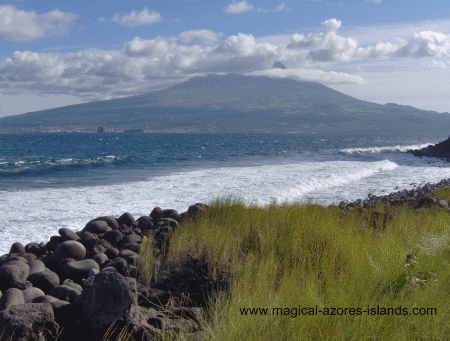
The Azores are an ideal destination for travelers looking for something different.
They are especially well suited for:
- Nature lovers who enjoy hiking, scenery, and the outdoors
- Travelers looking for a quieter, less crowded experience
- People with Azorean heritage who want to reconnect with their roots
- Visitors who enjoy authentic culture over heavily developed tourism
If you are looking for a destination that feels natural, welcoming, and a little removed from the busy pace of everyday life, the Azores are a great fit.
What Are the Azores Islands?
The Azores are a chain of nine islands formed by volcanic activity over thousands of years. They were discovered in the early 1400s and gradually settled over the centuries that followed.
The islands have traditionally been shaped by farming, dairy cattle, and fishing. The Azores still offer a strong sense of old-world charm that you don’t often find in more developed destinations.
Roads are often winding, and in some places still made of cobblestone. Driving can take a bit longer than you might expect, and it’s all part of the experience.
Don’t worry though: the comforts that matter are all there. The Azores have been steadily growing as a travel destination, and you’ll find that the areas most important to visitors continue to improve.

Where Are the Azores Islands?
The most common question I hear is "where are they?"
The Azores are a group of nine volcanic islands located in the middle of the Atlantic Ocean.
They sit roughly 1,500 km (930 miles) west of mainland Portugal and about 3,900 km (2,400 miles) from North America. This remote location is part of what makes the islands so special ... they feel like a world apart, yet remain easily accessible from Europe and North America.
Find more about the Azores location here.
What Makes the Azores Unique?
The Azores are known for their dramatic landscapes and natural beauty. People sometimes refer to them as the "Hawaii of Europe".
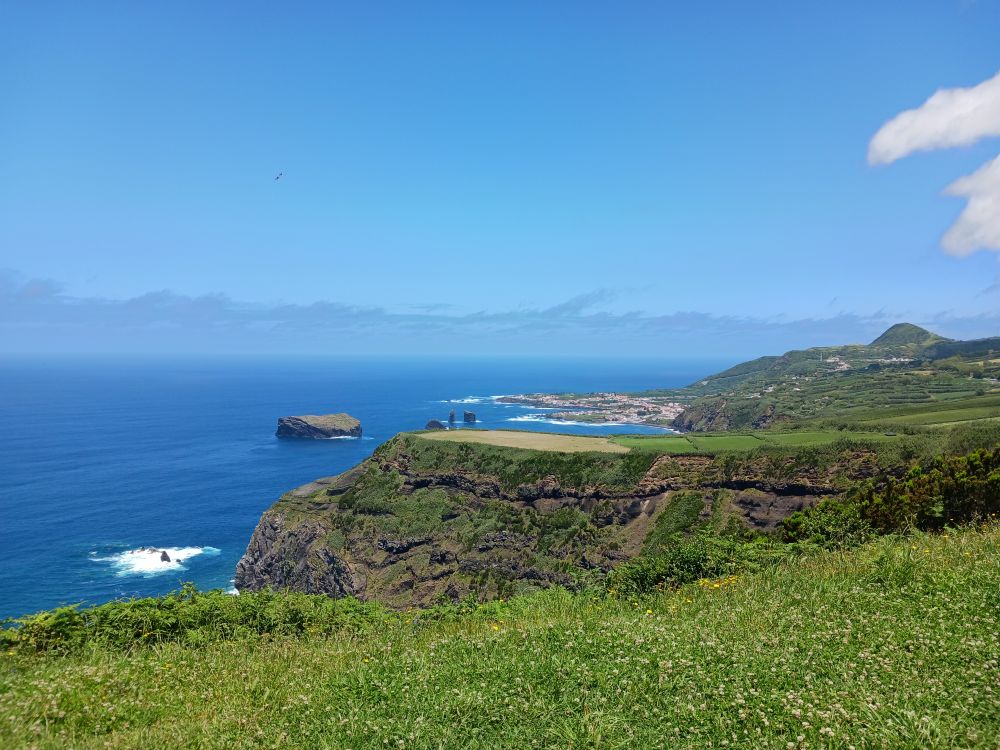
Volcanic lakes, green hills, rugged coastlines, and geothermal hot springs define the islands. The scenery is varied, and often feels untouched compared to more developed destinations.
The Nine Azores Islands
Each of the nine islands has its own character.
São Miguel is the largest and most visited, while islands like Flores and Corvo offer a quieter, more remote experience. Others, like Pico and Faial, are known for their landscapes and maritime history.
Exploring more than one island can
give you a deeper understanding of what makes the Azores so unique.
The islands span an area of approximately 2,300 square kilometers. When people ask how many islands they should visit, I usually suggest keeping travel time in mind as spending too much time in airports just to check islands off a list isn’t the experience I recommend.
Azores Climate
The climate in the Azores is mild throughout the year.
Temperatures rarely reach extremes, but the weather can change quickly. You might experience sunshine, clouds, and rain all in the same day. This is part of the natural rhythm of the islands and contributes to their lush, green landscapes.
For average temperatures and more information click Azores Climate or learn more about the weather
Azores Culture and Heritage
The culture of the Azores is deeply rooted in Portuguese traditions, shaped by centuries of island life.
For many visitors, especially those with Azorean heritage, the islands offer a meaningful connection to family and history. Festivals, local traditions, and a slower pace of life are still an important part of everyday life.
Azores Food and Local Cuisine
Azores food is one of the most memorable parts of visiting the islands. Rooted in Portuguese tradition and shaped by the Atlantic, the cuisine is simple, fresh, and local.
From just-caught seafood and local beef, to volcanic-cooked stews and sweet island pineapples. Whether you’re dining in a seaside village or exploring a market, the experience is satisfying and authentic.
Explore our full Azores food guide to discover what to eat, what to drink, and the must-try dishes to add to your itinerary. Read more about Azores food
Visiting the Azores
If you’re thinking about visiting Azores for the first time, a little preparation can go a long way. Our page about visiting the Azores walks you through 21 things to know before you go.
And check out this page for a few
of my favourite pictures and few things I love about the Azores.
After all this, if you are still wondering you should go, check out this page
about Holidays to the Azores. I have written a list of reasons why you should,
and should not, go on Holidays to the Azores. Take a peek at that page after
you read this one.
Essential Information About the
Azores
Before you visit the Azores, it helps to understand a few of the practical details. These are some of the most common questions people ask when planning their trip.
Who Owns the Azores Islands?
One of the first questions people ask is who the islands belong to.
The Azores are an autonomous region of Portugal and are part of the European Union.
This means you’ll find a strong European influence throughout the islands, along with ongoing investment in infrastructure. In recent years, there have been noticeable improvements in waterfront areas, including new boardwalks, swimming areas, and public spaces designed to enhance the visitor experience.
What Is the Currency in the
Azores?
Another common question is what currency is used on the islands.
As part of Portugal and the European Union, the Azores use the Euro (€).
Credit cards are widely accepted, but it’s still a good idea to carry some cash, especially in smaller towns or local establishments.
What Time Zone Are the Azores In?
Many travelers also wonder about the time difference.
The islands operate on Azores Time, which is GMT -1.
This means:
- 4 hours ahead of Toronto, New York, and Miami
- 1 hour behind Lisbon and London
If you’re traveling from North America, the time difference is manageable and often easier to adjust to than many European destinations.
What Language Is Spoken in the
Azores?
Language is another question that often comes up when planning a trip.
The official language of the Azores is Portuguese.
That said, many people speak English, especially in tourism-related settings, as it is taught in schools and widely understood. You can travel comfortably with English, but learning a few basic Portuguese phrases is always appreciated.
One small tip: if you pick up a Portuguese-English dictionary, make sure it’s for European Portuguese rather than Brazilian Portuguese. There are enough differences to cause some confusion… a lesson learned the hard way!
Azores Flag
You might also be curious about the Azores flag and what it represents.
The Azores flag is blue and white, featuring a golden goshawk at its center, along with nine stars representing the nine islands. The Portuguese coat of arms appears in the upper left corner, reflecting the islands’ connection to Portugal.
To see a couple pictures, click: Azores Flag
Why Visit the Azores?
With the basics covered, what really stands out is the experience of being there.
The Azores offer something that is becoming harder to find — a destination that feels both beautiful and genuine.
Here, you’ll find dramatic landscapes without large crowds, local culture that is still part of everyday life, and a pace that allows you to slow down and enjoy where you are.
Whether you are looking for adventure, relaxation, or a deeper connection to the islands, the Azores provide an experience that is personal, memorable, and meaningful.
Return to Magical Azores Islands home (leave about the Azores).
Learn more by signing up for the E-zine, published every month
About Azores real estate
Is it Azores or Acores?
 Subscribe To Magical Azores Islands


