The Azores Climate: What to Expect Year Round
If you’re planning a trip, understanding the Azores climate will help you pack well and set the right expectations. The short version? It’s mild, ocean-influenced, and wonderfully green. The longer version is even better.
For me, it is just right (unless you want very hot or very cold!). the climate is best described as mild all year round.
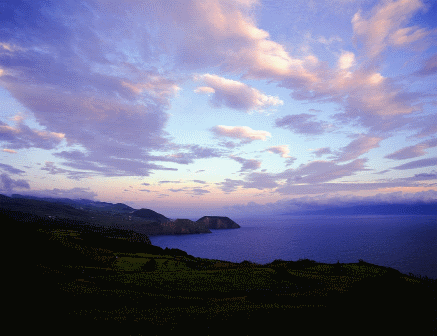 Photo Courtesy of Associacao de Turismo dos Acores
The Azores sit in the middle of the Atlantic Ocean, and that location shapes everything about the weather. You won’t find harsh winters or extreme summer heat here. Instead, think comfortable afternoons, cooler evenings, breezy coastlines, and skies that can change quickly. You will sometimes experience what locals jokingly call “four seasons in one day.”
Mild Temperatures All Year
The temperature in Azores stays within a comfortable range throughout the year.
- Winter (December–March): Average daytime temperatures range from 12–16°C (54–62°F). Nights are cooler, but rarely cold. Snow is virtually unheard of. With the occasional exception at the summit of Pico Mountain.
- Spring and Fall: Pleasant and mild, typically between 14–22°C (57–72°F).
- Summer (June–September): Warm but not too hot, with daytime temperatures between 17–25°C (63–77°F). The humidy can make if feel hotter on some summer days
One of the great strengths of the Azores climate is that it’s never too hot for exploring. Even in summer, you can hike, sightsee, and enjoy the outdoors without the type of heat you might find in southern Europe.
A
Changeable but Predictable Pattern
When people ask about Azores weather, I tell them this: expect variety.
The wettest months are October through March, but showers can happen at any time of year. The good news? They often pass quickly. A grey morning can turn into a sunny afternoon, and even during unsettled spells, you’ll usually see sunbreaks between showers. And I have found that it might be raining in one area of the island, but a trip to the other side finds the sun. That said, there tends to be light cloud cover over the islands on many days.
This pattern is shaped by Atlantic systems. When the “Azores High” settles in, you’ll enjoy stable, sunny days and starry nights. When Atlantic lows move through, expect more wind and rain. It’s all part of island life and is one reason the landscape is so lush and green.
Microclimates:
Drive 15 Minutes, Find New Weather
One of the most fascinating parts of the azores climate is how quickly it can change from one location to another. Because the islands are volcanic and mountainous, they create small microclimates.
You might leave a sunny coastline, drive 15 minutes uphill, and find fog rolling across the hills. Then descend into another valley and see blue skies again. Windy viewpoints, breezy ridges, and sheltered towns can all feel different on the same day. This is normal and a part of the experience. It also means flexibility is your friend when planning hikes, outings, and viewpoints.
The Ocean’s
Influence
The Gulf Stream plays an important role in keeping the Azores mild. Ocean temperatures generally range from about 17°C (63°F) in winter to 22–24°C (72–75°F) in late summer.
That makes swimming and water activities very comfortable during summer and early fall. Even when you’re not in the water, the salt-tinged ocean breeze keeps the air fresh and invigorating.
What the Azores Climate Feels Like
Beyond the numbers, here’s what travelers often notice:
- A clean, fresh scent in the air
- A slightly humid feel after rain
- Breezy, invigorating coastlines
- Comfortable afternoons for outdoor exploring
- Cooler evenings that make light layers welcome
The climate comfort here is one reason so many visitors fall in love with the islands — especially those reconnecting with family roots or visiting from colder northern climates in winter.
What to
Pack
Because of the changeable skies, layers are essential. Bring:
- A light waterproof jacket
- A sweater or light fleece for evenings
- Comfortable walking shoes
- A mix of short and long sleeves
Even in summer, that extra layer can make the difference between comfortable and chilly, especially at higher elevations or near the ocean.
The Azores climate is one of the islands’ greatest gifts. It keeps the landscapes green, the hiking pleasant, and the air feeling fresh and alive. It may shift throughout the day, but it rarely disappoints.
If you come prepared for variety, you’ll find that the Azores weather becomes part of the magic ... sun, mist, breeze, and all.
Azores weather page also has more information about the Azores Climate
For more information about the Azores Islands visit the home page at Magical Azores Islands. Or go to about the Azores for some common questions.
 Subscribe To Magical Azores Islands

