Visiting Azores - For First Timers
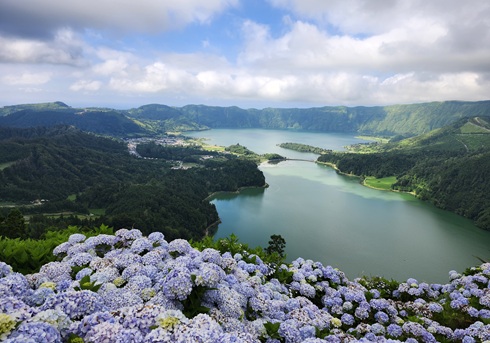
A beginners guide ... to visiting Azores for the first time!
Visiting the Azores for the first time is exciting and maybe a little overwhelming. This Portuguese archipelago sits in the middle of the Atlantic Ocean and feels like a magical blend of Hawaii, Iceland, and rural Europe all at once. With volcanic landscapes, thermal pools, lakes in ancient calderas, dramatic coastlines, and some of the world’s best whale watching, the Azores deliver a truly unforgettable experience.
If you’re planning your first trip, here are 21 essential things to know before visiting the Azores. The tips that will help you plan smarter, avoid surprises, and enjoy your journey to the fullest.
1. Know Where the Azores Are (It Helps With Planning)
The Azores are a group of nine volcanic islands belonging to Portugal, located about halfway between North America and Europe.
I always say to picture a world map and draw a line from Boston, USA, to Lisbon, Portgugal. The Azores will be on that line, with another line to Iceland much much further to the north
Their mid-Atlantic position means mild temperatures year-round and quick weather changes. This is a theme you’ll hear throughout this website.
2. There Are Nine Islands. Start With One or Two
Each island has its own personality, but most first-time visitors choose:
- São Miguel (the largest and easiest for beginners)
- Terceira (colorful towns + culture)
- Pico (wine country + mountain + whale watching)
- Faial (sailing culture + views of Pico + volcanic remains)
Trying to see too many islands on your first trip usually leads to rushed travel and a lot of time in airports instead of enjoying all that each island has to offer. Two islands max is ideal for beginners.
I tend to recommend just one island.
3. How Long You Need for a First Visit
- 3 days: Stick to São Miguel
- 5 days: São Miguel + 1 day trip or extra exploration (maybe)
- 7–10 days: Combine São Miguel with Terceira, or Pico, or Faial
- Two weeks: Slow travel and a couple islands
The Azores deserve time. Rushing between islands reduces the magic and increases the inconvenience of travel
4. Best Time to Visit the Azores
The Azores are a year-round destination, but conditions vary:
- Summer (June–September): Best weather (warmest and sunniest), calm seas, highest prices
- Spring & Fall: Great for hiking, fewer crowds. More rainy, foggy, and cooler days. Still a great time to go.
- Winter: Cheapest, moodiest weather, some tours closed. Still plenty to see and do. Just not the beach!
Whale watching is best from April to October, with blue whales typically spotted in spring.
5. Travel Requirements, Money & Language Basics
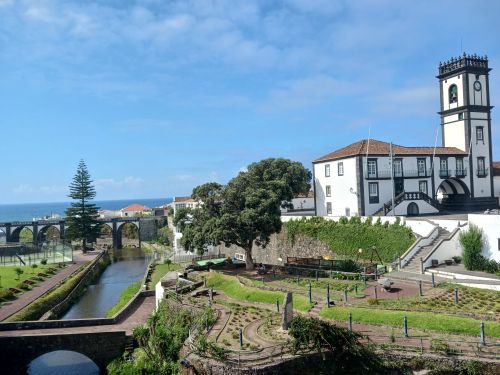
6. Getting to the Azores: Flights From the U.S., Canada & Europe
Direct flight options (seasonal) exist from Boston, Toronto, New York, and several European cities. Most routes land at Ponta Delgada (PDL) on São Miguel, though Terceira also receives international flights.
7. Traveling Between Islands: Flights vs. Ferries
Inter-island travel is relatively easy:
- Flights (year-round): are the fastest and most reliable (but still impacted by weather
- Ferries (seasonal): are better for the central group cluster (Faial–Pico–São Jorge-Graciosa). Ferries from Sao Miguel to other islands are not practical and have not been commercially viable.
In winter ferry schedules are limited and I recommend planning to fly.
8. Do You Need a Rental Car? (Almost Always Yes)
Unless you plan to rely on tours, renting a car is the best way to explore.
Reasons why:
- Public transportation is limited. There are busses, but they are scheduled to suit the workforce and may not suit a tourists schedule
- Many viewpoints and hiking trailheads are more remote.
- Scenic drives are part of the experience.
Rental cars sell out quickly and we recommend booking early, especially in the summer season.
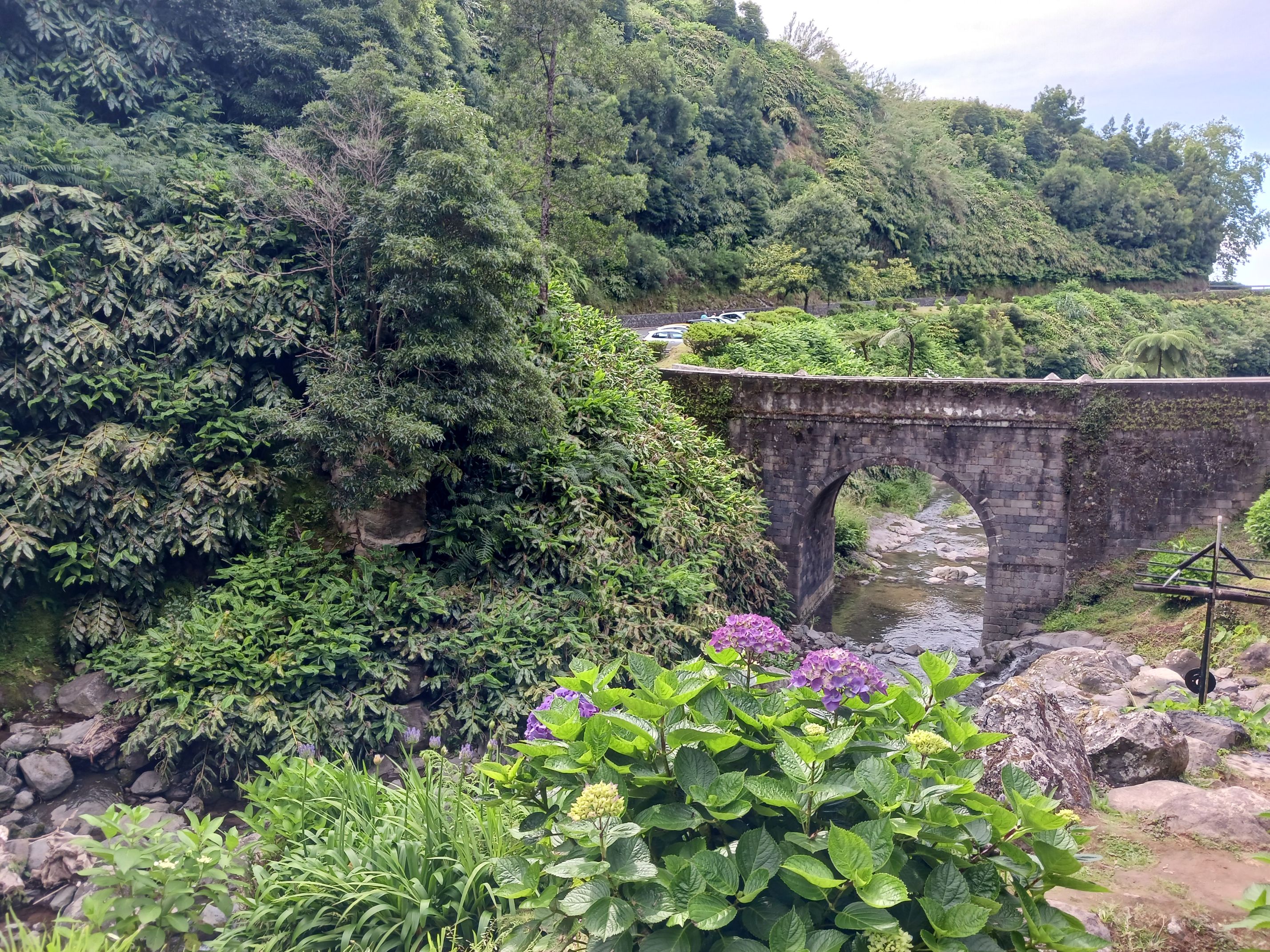
9. Taxis and Tours Are Good Alternatives
If you prefer not to drive:
- Guided day tours hit all the major highlights.
- São Miguel has the most reliable public bus routes.
- Taxis and Uber-style services are available but are more limited outside Ponta Delgada. Arranging a tour from Ponta Delgada is easy
10. Accommodation Types: Hotels, Quintas & Rural Homes (AL)
The Azores offer traditional hotels, boutique stays, rural farmhouses, and vacation rentals. For beginners:
- Stay in or near Ponta Delgada for the most amenities and convenience. Ponta Delgada is the main city in Sao Miguel and the capital of the Azores.
- Choose rural stays if you prefer peace and scenic views.
- Ribeira Grande, Vila Franco do Campo, Lagoa and Furnas are towns with a lot of restaurants and amenities in Sao Miguel.
Accommodations book quickly from June to September. Reserving ahead is essential.
Note: "AL" refers to Alojamento Local, Portugal's official license for short-term tourist rentals, allowing property owners to legally rent out furnished homes, apartments, or rooms to visitors.
11. Book Early, Especially in Summer
Peak season means:
- Limited rental cars
- Busy tours
- Higher hotel prices
- Restaurants requiring reservations
Planning ahead ensures better options and lower stress.
12. Prepare for Unpredictable Azores Weather
Locals say you can experience four seasons in an hour. You won't experience true winter weather in the Azores, but it is true that one minute it can be warm and sunny, and the next it is raining.
What this means for your trip:
- Always pack layers.
- Cloudy weather may block famous viewpoints. You may need to be flexible on plans, especially for the higher elevation tours like Lago do Fogo and Sete Cidades.
- Trails and some attractions close during storms. Hiking trails can get washed out during heavy rains.
Good weather apps: SpotAzores is great for live camera views of key points around the island. Windy and Accuweather are good for the weather forecast.
13. What to Expect From Azorean Food
Food is fresh, local, and comforting. Featuring:
- Fresh seafood is plentiful.
- Beef, pork and chicken dishes paired with rice and potatoes
- Local cheeses
- Pineapples from São Miguel
- Cozido das Furnas (basically a stew cooked by volcanic steam)
- Portuguese beers and wines
Meals tend to be leisurely and service can be slow. You will likely need to ask for the bill.
Vegetarians and gluten-free diners will find options, though menus are heavier on meat and seafood.
14. Costs
The islands offer excellent value but are not “backpacker cheap.” While still affordable compared to mainland Europe, the Azores are part of Europe and have an improving standard of living.
- Currency: the Euro
- Meals: moderate pricing
- Tours: similar to other European destinations
- Rental cars: prices are higher in peak season and demand exceeds supply.
- Hotels: range from budget to luxury, with peak-season premiums and limited availability
15. Safety, Emergencies & Healthcare
The Azores are incredibly safe with low crime rates. Healthcare is high-quality and accessible.
Do keep road and weather conditions in mind when exploring the island. And when enjoying the beaches, be mindful of any warnings posted
Travel insurance is strongly recommended for peace of mind
16. Nature Is Protected
The Azores pride themselves on sustainability. Help keep the islands beautiful by respecting nature and following local guidelines. When hiking, stay on marked trails and be sure to take litter with you
Preservation is a core part of Azorean culture.
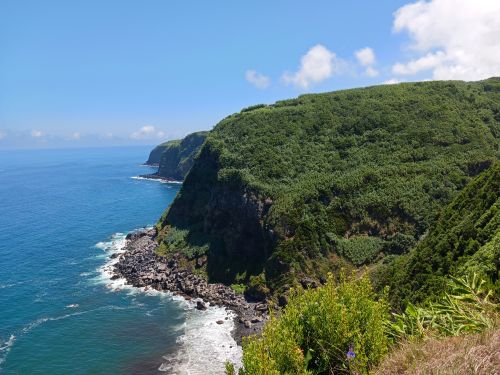
17. Hiking in the Azores: What to Know First
The islands are a hiking paradise, but conditions can vary daily or even throughout the day if there is rain.
The hiking trails range from easy coastal walks to challenging mountain climbs and rain can cause washouts or closures. Mud and slippery stones are common so proper footwear is essential.
Research trail difficulty before heading out. I like to checking All Trails and trails.visitazores.com for their maps, ratings, and reviews.
18. Visiting the Thermal Pools & Hot Springs
The Azores are famous for hot springs, especially on São Miguel.
Know before you go:
- Waters may stain lighter swimsuits
- Bring a towel and flip-flops. Some people like wearing water shoes in the hot springs due to the natural floors
- Popular pools get busy. Going early or late can be advantageous, or you can look into making reservations
19. Whale Watching: One of the World’s Best Locations
The Azores are a top global destination for whale and dolphin watching. Most tours have well educated staff will share knowledge about the animals and the operators follow strict rules to respect the safety of the animals.
Some tips:
- Peak season is April–October
- In the summer months you may need to book days in advance.
- Seas can be rough. Some people take motion sickness precautions, but personally I have not had an issues.
- Pack sunscreen and bring layers of clothing
Dolphins are spotted on nearly every trip and seeing them play in the wild is often a highlight. Seeing whales is common, but not guaranteed. Each tour operator will have a policy about rebooking if you do not see any marine life.
20. Miradouros: The Scenic Viewpoints You’ll Fall in Love With
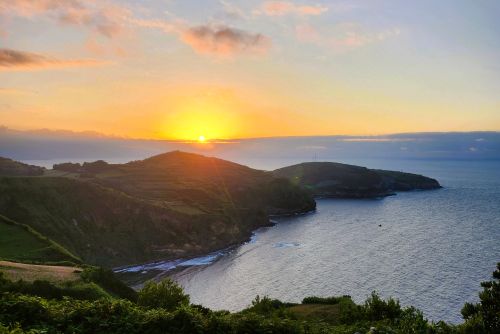
The Azores are covered in miradouros (viewpoints) offering stunning views of dramatic landscapes.
To make the most of them:
- Check real-time weather cameras (check out the Spot Azores webcams)
- Mornings often provide clearer conditions
- Have patience, parking can be limited at famous spots like Sete Cidades, Vista do Rei in particular
Plan your day around the weather, not the clock. For example, sights at higher elevations, like Lago de Fogo, may be clouded or fogged in at times. And you might find that one coast is experiencing rain, while


21. Local Culture, Festivals & Etiquette
The islands have a deep cultural tradition:
- There are festivals throughout the year. Most villages will host a festival in the summer months and typically they include religious celebrations and processions.
- Fishing and farming are long standing industries. You will see plenty of ports along the coast and when you look inland you will see miles of farms dotting the hills. Dairy farms in particular
- Terceira’s touradas à corda (street bullfights: watch, don’t participate). Personally, I have never attended, but they do draw a crowd
- Sundays tend to be quieter and many shops close for the day. You will notice churches in every town and village, they are often at the centre of town.
Azoreans are warm, welcoming, and appreciative of respectful visitors. A smile and a simple “Olá” (hi) and "Obrigado" (thank you) go a long way.
Pages to help plan your trip to the Azores
What to Do in the Azores - 10 Can't Miss Experiences. Check this page out for ideas on activities and experiences
Visit the Azores - Find out about accommodation, car rentals and when to go
Sao Miguel Azores Itinerary - Planning a trip to Sao Miguel? This 7-day Sao Miguel Azores itinerary covers hot springs, beaches, scenic spots, and must-see highlights for first-time visitors
Final Thoughts on Visiting the Azores for the First Time
Visiting the Azores is truly an unforgettable experience. Whether you’re hiking crater lakes, soaking in hot springs, tasting local cuisine, or spotting whales offshore, the islands are full of surprises and beauty. With the right preparation and realistic expectations, your first trip will be smooth, memorable, and full of awe-inspiring moments.
Find out more about the Azores