Azores Food: A Guide to Azores Cuisine and Island
Specialties
If you want to understand a place, sit down at its table. In the Azores, that table might hold grilled Atlantic fish, pasture-raised beef, warm bread with rich local butter, and a small espresso shared between friends. Azores food isn’t flashy or overly complicated — it’s shaped by the ocean, mineral rich volcanic soil, and green hills that define the islands. And for many travelers, discovering Azores cuisine becomes one of the most memorable parts of the trip.
If you’re planning a visit and wondering what you’ll actually eat day to day, here’s the good news: Azores food is both comfortingly familiar and proudly local. The islands are Portuguese at heart, but their Atlantic setting and agricultural traditions create flavors and specialties you won’t find quite the same way on the mainland (or as some locals say, “the continent”).
The Spirit of Azores Cuisine
At its core, Azores cuisine is built around seafood, beef, dairy, bread, and seasonal produce. Meals tend to be unhurried and at most restaurants, you will not receive the bill until you ask for it. Lunch can easily stretch well into the afternoon if you let it. And dinner is rarely rushed. Conversation is part of the experience, and the food supports it rather than competing for attention.
Restaurants range from contemporary dining rooms in the larger cities like Ponta Delgada and Angra do Heroísmo, to small, family-run tascas serving generous, traditional dishes. At more than reasonable prices too. If you are unsure what to order, I suggest that a helpful starting point is to ask what’s freshest today. Many kitchens lean into daily ingredients, including: the morning catch; what came in from local farms; or what’s in season.
One of the most iconic examples of Azores cuisine is Cozido das Furnas on São Miguel. This mixed meat and vegetable stew is slow-cooked underground using volcanic steam near Furnas. Large pots are lowered into the earth and left for hours, absorbing subtle mineral warmth from the soil. It’s hearty, communal, and deeply connected to the landscape. It is a dish that could only exist here.
Fresh from the Atlantic: Seafood at the Heart of Azores Food
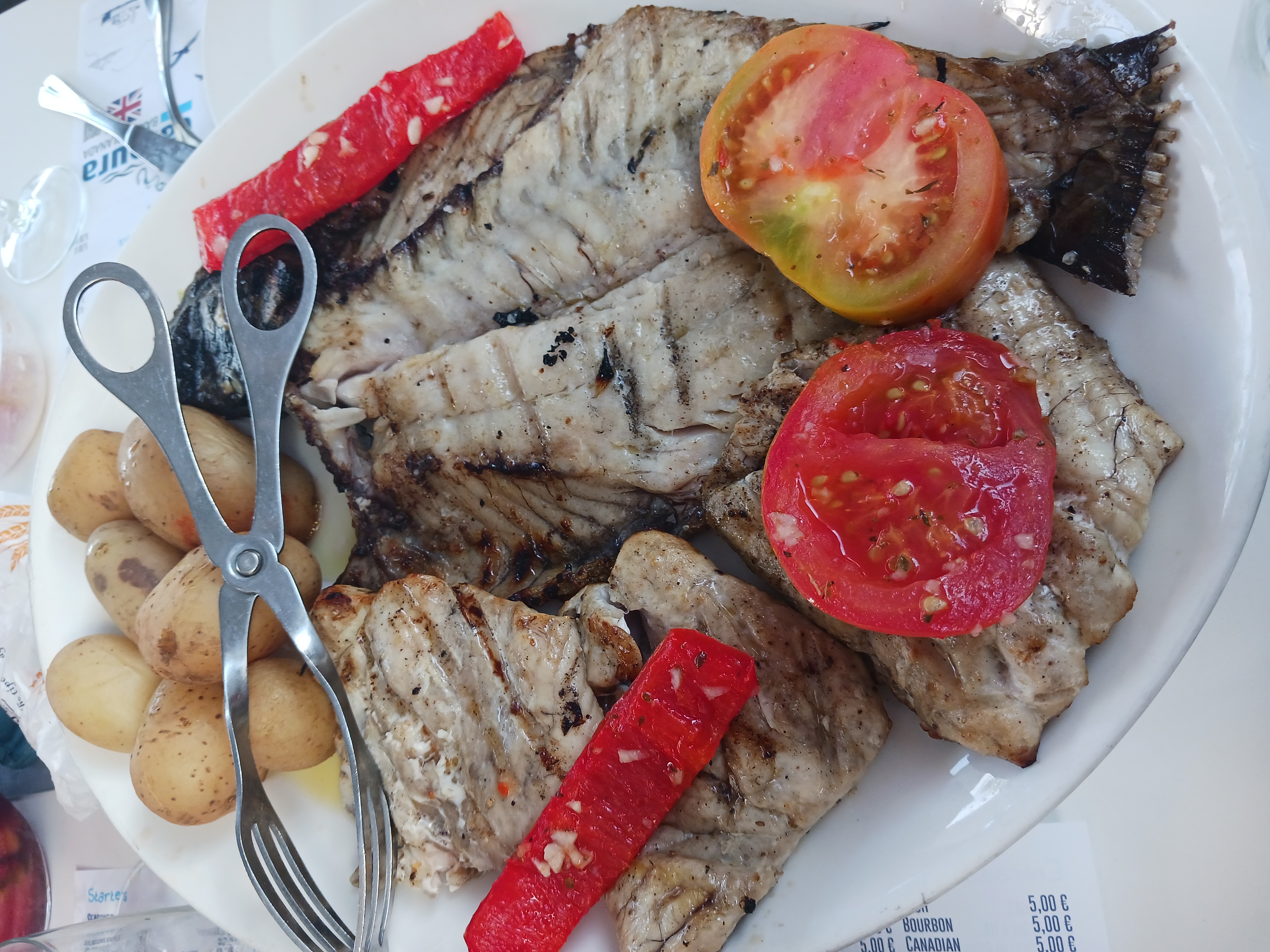
Seafood is central to Azores food, and it’s often prepared simply: grilled fish finished with olive oil and garlic, seafood rice, or rich fish soups depending on the island and season. Fresh Atlantic tuna is especially good when available. Ordering the “catch of the day” is usually the best decision you can make. That is my favourite strategy for ordering fish.
One of my favourite meals recently came out served like this, it was fantastic:
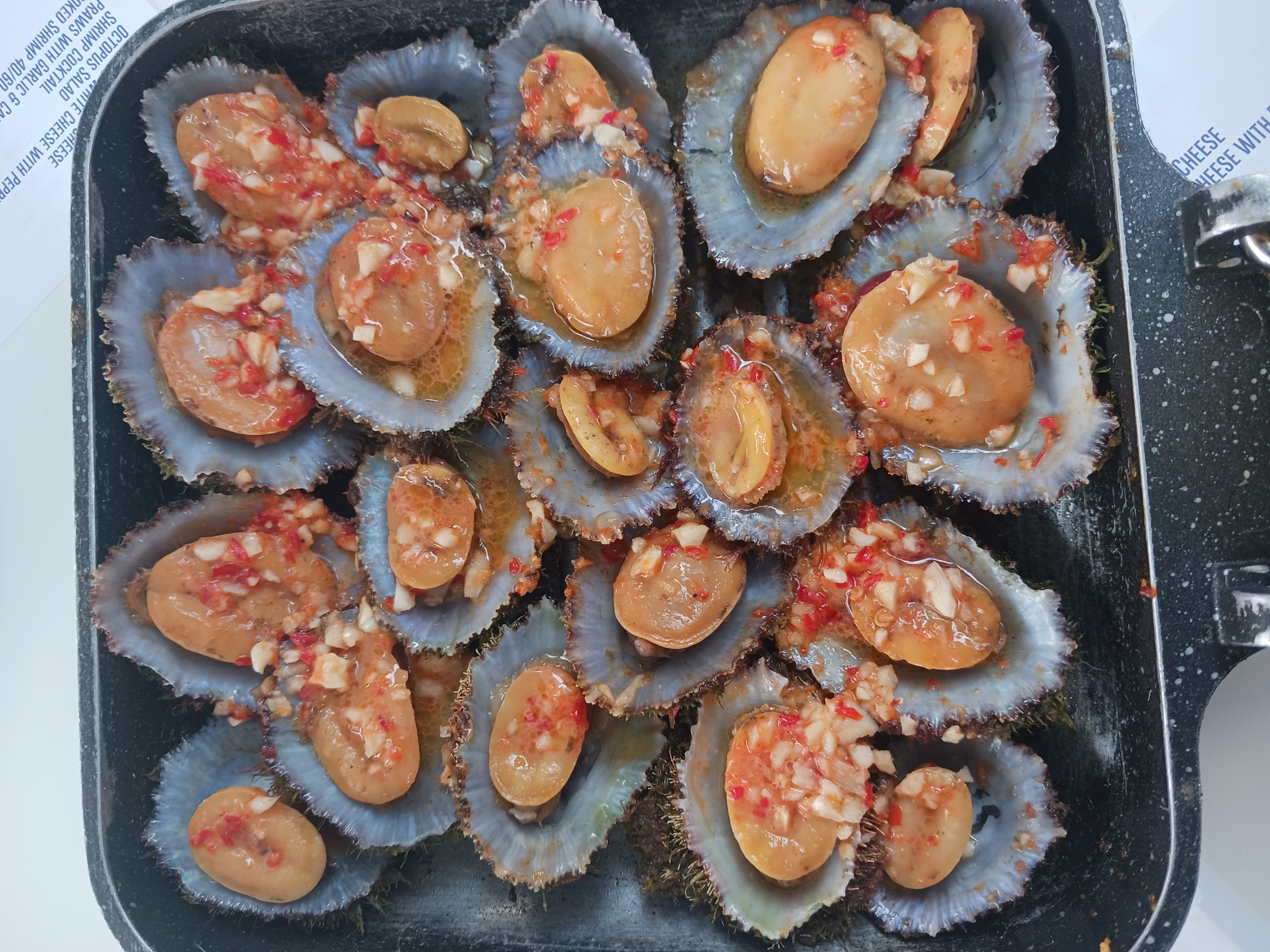
If you enjoy shellfish, look for lapas (Azorean limpets), typically grilled in their shells with garlic butter and lemon. Slightly briny and served sizzling hot, they’re one of the most distinctive tastes of the islands. Lapas are an excellent appetizer to share with your table. You’ll also find octopus stews, clams, and other Atlantic specialties depending on what’s in season.
Pastures, Dairy, and the Comforting Side of Azores Cuisine
Meat plays an equally important role in Azores cuisine. The islands are known for pasture raised cattle grazing on open green fields for much of the year. Many menus feature simple grilled steaks or slow-cooked beef dishes that let that grass-fed flavor shine. The beef will usually be paired with rice and potatoes.
Personally, one of my favourite dishes is the regional steak (Bife a Regional), which is topped with a cooked egg and accompanied by roasted red pepper, plenty of garlic, and sides like rice and potatoes. Another favourite is the Prego no Pao: this is a classic Azorean steak sandwich that is served on a crusty roll. The steak is thinly sliced and pan fried in butter and garlic.
In traditional menus, you may also encounter morcela (blood sausage), typically grilled or added to stews. Savory and lightly spiced, it reflects the Portuguese roots of Azores food and the islands’ respect for using the whole animal. Morcela is not to my personal liking, but it is widely available.
Dairy is another defining feature. The Azores have a strong agricultural heritage, and it shows up in their milk, butter, and cheese. Even a simple roll with local butter at a café can feel unexpectedly rich. I have a personal tradition of stopping at a café in Sete Cidades for a fresh bun with butter and cheese. It is all locally produced and the taste is something I look forward to.
Cheese lovers should look for São Jorge cheese. It is aged, bold, and unmistakably local. It pairs beautifully with bread and wine and is one of the most recognizable products of Azores cuisine. Another family favourite is the goats’ cheese, which is a popular appetizer served with pimento sauce and bread.
Bread, Pastries, and the Sweet Flavors of São Miguel
Bread and pastries are daily pleasures. Early morning bakeries fill neighborhoods with the smell of warm bread and sweet dough. Look for queijadas (small sweet cheese pastries) and malassadas (fried dough pastries). Malassadas were the treat that my dad looked forward to as a child on special events and holidays. Oh, and don’t miss bolo lêvedo, a slightly sweet, soft round bread from the Furnas area of São Miguel. Split and toasted with butter, or used as a sandwich roll, it’s a simple, delicious and memorable part of Azores food culture. Seriously, you need to try bolo levedo. Try it toasted with butter and maybe some cheese, and thank me later.
São Miguel’s pineapple is another standout. I consider it a showstopper! Grown in distinctive glass greenhouses, Azorean pineapple is smaller and more aromatic than many tropical varieties. It balances sweetness and acidity beautifully, making it ideal for desserts, juices, and even savory dishes. Pineapple often appears alongside meats, in pastries, or simply served fresh. Freshly served pineapple is a sweet reminder of how unique Azores cuisine can be.
Coffee, Tea, Wine, and Island Traditions
Coffee culture runs strong throughout the islands. Locals stop for espresso and conversation in town centers throughout the day. If espresso isn’t your style, I would suggest trying a galao, which is pronounced like gallon. A galao is one part espresso and three parts foamed milk.
For something distinctly regional, head north on São Miguel to visit either of the local Azores tea plantations: Gorreana Tea Factory or Porto Formoso Tea Factory. These tea plantations, with gorgeous ocean views, are among the only commercial tea producers in Europe. Visiting them adds another layer to understanding Azores food and drink traditions.
When it comes to alcohol, you’ll find excellent Portuguese wines alongside local options. Pico Island has a long tradition of vineyard cultivation in volcanic stone fields, and Azorean wines are gaining international attention. Many meals conclude with aguardente, a strong traditional spirit, or fruit liqueurs like maracujá (passion fruit), served as a digestif.
And, of course, there’s the beer. Most restaurants have one of the following available as a house beer: Sagres, Super Bock, or Especial. All of these brands are Portuguese, with Especial brewed in Ponta Delgada since 1893. There’s also a few craft breweries that have opened in the past few years.
This pictures the simple pleasures of the Azores ... a couple of beverages enjoyed by the ocean.

Experiencing Azores Food at the Table
The best way to experience Azores food is to try a variety: enjoy a special dinner in a well-known restaurant, but also make time for casual tascas, seaside grills, and neighborhood cafés. The smaller, family-run places often reveal the most authentic side of Azores cuisine.
If your visit coincides with a local festival or religious celebration, you may encounter communal meals built around soups, breads, traditional dishes, or simple grilled choices. These gatherings highlight something essential about Azores food … it’s designed to bring people together.
Ultimately, Azores cuisine isn’t about culinary spectacle. It’s about land, sea, and community. It’s the warmth of a bolo lêvedo with butter, the briny bite of lapas by the coast, the sweetness of pineapple grown in island greenhouses, and the comfort of a slow meal shared without hurry.
In the Azores, food isn’t a performance, it’s a reflection of place. And once you’ve tasted Azores food in its natural setting, it becomes part of how you remember the islands long after you’ve returned home.
Read more about the Azores.